
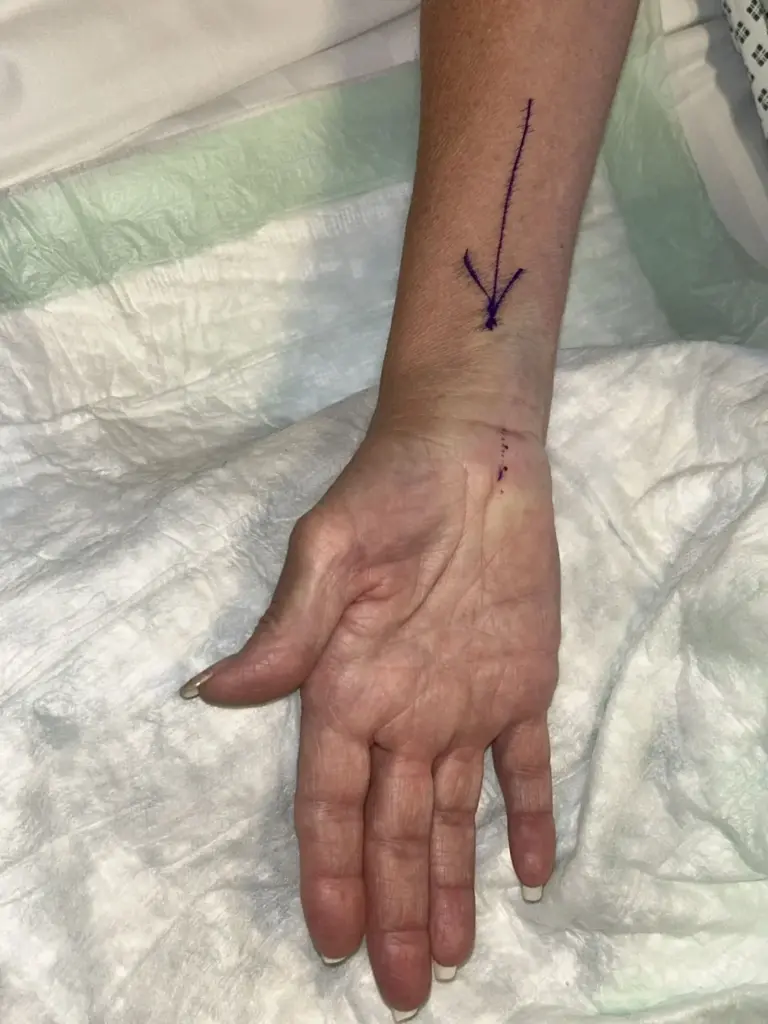
Overview
Hand surgery encompasses a range of surgical procedures designed to restore function, reduce pain, and improve quality of life for patients experiencing problems with their hands, wrists, and fingers. At The Bonegevity Clinic in Worcester, our orthopaedic specialists provide comprehensive assessment and treatment for various hand conditions, helping patients regain mobility and return to their daily activities with confidence. Hand surgery is a specialised branch of orthopaedic medicine that addresses injuries, conditions, and disorders affecting the complex structures of the hand and wrist. These procedures may range from minimally invasive treatments to more extensive reconstructive surgery, depending on your specific condition and needs.
Conditions Treated
- Carpal tunnel syndrome
- Trigger finger
- Dupuytren's contracture
- Arthritis in the hand and wrist
- Fractures and traumatic injuries
- Tendon injuries or ruptures
- Ganglion cysts
- Nerve injuries
The Procedure
Hand surgery procedures are typically performed as day-case treatments, allowing you to return home the same day. Depending on your specific condition, surgery may be carried out under local anaesthetic with sedation or general anaesthetic. Your surgeon will explain the specific steps involved in your procedure and what you can expect during your time at the clinic. Most hand surgery procedures take between 30 minutes to two hours, depending on the complexity of your condition.
Surgical Techniques:
The surgical approach will depend on your diagnosis and may involve minimally invasive techniques using small incisions, arthroscopic procedures using a tiny camera, or open surgery for more complex conditions. Your surgeon may perform repair or reconstruction of damaged structures, removal of diseased tissue or bone spurs, or tendon or nerve repair procedures. Each approach is carefully selected to achieve the best possible outcome while minimising tissue trauma and recovery time.
Recovery & Aftercare
Recovery following hand surgery varies depending on the type of procedure performed and your individual healing response. Your surgeon will provide detailed aftercare instructions tailored to your specific treatment. Initial recovery typically involves wound care and dressing changes, pain management with prescribed medications, hand elevation to reduce swelling, gradual return to light activities as advised, follow-up appointments to monitor healing, and hand therapy or physiotherapy when appropriate.
Most patients can expect to return to desk-based work within one to two weeks, while more physically demanding activities may require several weeks or months of recovery. Your surgeon will provide specific guidance based on your procedure and occupation. It is important to follow all aftercare instructions carefully to ensure optimal healing and minimise the risk of complications. Your clinician will monitor your progress closely and adjust your recovery plan as needed.
Frequently Asked Questions
Is hand surgery painful?
Most patients experience some discomfort following surgery, but this is typically well-managed with prescribed pain medications. Your surgeon will discuss pain management strategies during your consultation.
How long does hand surgery take?
Procedure duration varies depending on the complexity of your condition, typically ranging from 30 minutes to two hours. Your surgeon will provide a more specific timeframe based on your planned treatment.
When can I return to work after hand surgery?
Return to work depends on your job requirements and the type of surgery performed. Office workers may return within one to two weeks, while manual workers may need several weeks or months of recovery.
Am I suitable for hand surgery?
Suitability depends on your specific condition, overall health, and response to previous treatments. A comprehensive consultation and assessment will determine whether surgery may be appropriate for you.
What happens if I don't have surgery?
Your surgeon will discuss alternative treatment options and the likely progression of your condition without surgical intervention. Some conditions may worsen over time, while others remain stable with conservative management.