
Overview
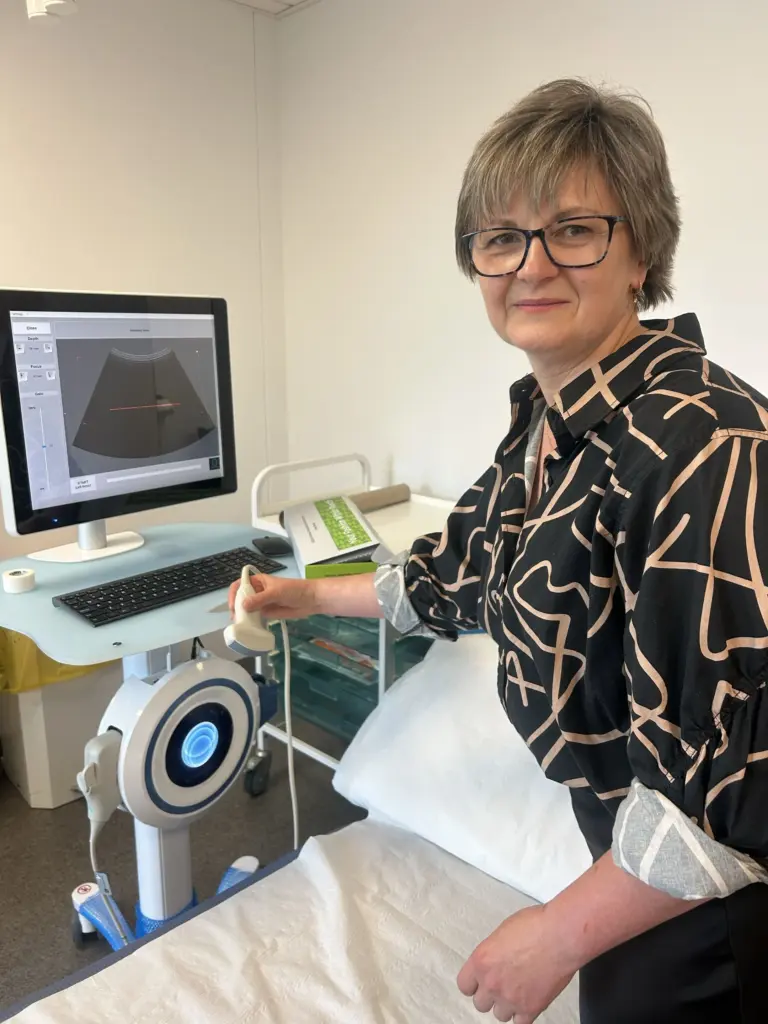
REMS (Radiofrequency Echographic Multi Spectrometry) is an advanced, radiation-free bone density scanning technology that provides detailed assessment of bone health and fracture risk. Unlike traditional DEXA scans, REMS does not use ionising radiation, making it a safer option for regular monitoring. The scan provides detailed information about bone mineral density, bone quality, and fracture risk assessment. This preventative diagnostic tool is typically recommended for patients who may be at risk of developing osteoporosis or those who need regular bone health monitoring. REMS scanning provides early detection of bone density changes, allowing for timely intervention and treatment planning before fractures occur.
Conditions Treated
- Postmenopausal women
- Men over 70
- Family history of osteoporosis
- Medications affecting bone density
- Rheumatoid arthritis
- Hyperthyroidism
- Height loss or bone pain
- Regular monitoring needs
The Procedure
REMS bone density scanning takes place in a comfortable clinical setting and typically takes around 15-20 minutes to complete. The procedure is non-invasive and does not require any special preparation or fasting beforehand. During the scan, you will lie comfortably while the REMS device is positioned over the areas being assessed, typically the spine and hip. The technology uses radiofrequency waves and ultrasound to gather detailed information about your bone density and quality. The procedure is painless and does not involve any injections or contrast agents. The scan is performed as an outpatient procedure, and you can resume normal activities immediately afterwards. No recovery time is needed.
Recovery & Aftercare
Following your REMS scan, the results will be analysed and reviewed by your clinician. You will typically receive your results within a few days, either during a follow-up appointment or through secure communication methods. Your clinician will explain what the results mean for your bone health and discuss any recommendations for treatment, lifestyle modifications, or further monitoring. If the scan identifies areas of concern, your clinician may recommend additional assessments or refer you to specialists for further evaluation. Depending on your results and risk factors, follow-up REMS scans may be recommended to monitor changes in bone density over time.
Frequently Asked Questions
Is REMS scanning safe?
Yes, REMS scanning is considered very safe as it does not use ionising radiation. The procedure uses radiofrequency waves and ultrasound technology, making it suitable for regular monitoring without radiation exposure concerns.
How long does a REMS scan take?
A typical REMS bone density scan takes approximately 15-20 minutes to complete. The procedure is quick and comfortable, with no preparation required beforehand.
How often should I have REMS scanning?
Frequency depends on your individual risk factors and clinical needs. Your clinician will recommend an appropriate monitoring schedule based on your bone health status and treatment requirements.
What should I expect from the results?
REMS results provide detailed information about your bone density and quality, along with fracture risk assessment. Your clinician will explain what the results mean for your bone health and discuss any recommended next steps.
How does REMS compare to traditional DEXA scanning?
REMS provides similar diagnostic information without radiation exposure, making it safer for regular monitoring. It also provides additional insights into bone quality, not just bone density.