
Overview
A Comprehensive Bone and Longevity Assessment is a thorough, non-invasive evaluation that examines your physical health and function. This preventative assessment combines advanced diagnostic techniques with clinical expertise to provide a detailed picture of your bone density and quality, muscle function, body composition, and overall physical resilience. The assessment addresses concerns about age-related health decline, bone weakness, muscle loss, and reduced physical function. It is designed for patients who want to take a proactive approach to their health, particularly those concerned about osteoporosis, sarcopenia, or general age-related physical health and mobility.
Conditions And Concerns Addressed
- Early signs of bone density loss
- Sarcopenia and muscle mass reduction
- Changes in body composition
- Balance and grip strength
- Fatigue and reduced mobility
- Maintaining independence
The Assessment Process
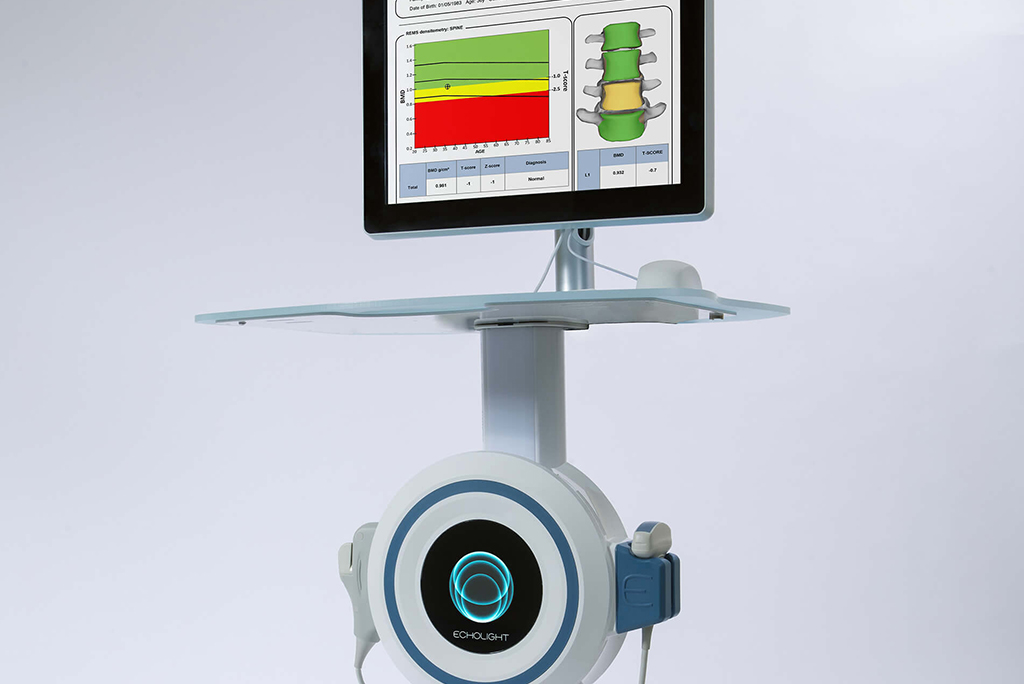
Your Comprehensive Assessment begins with a detailed consultation where your medical history, current symptoms, lifestyle factors, and health concerns are discussed. The assessment process typically includes diagnostic tests and measurements, which include non-invasive, radiation free, ultrasound based bone density and quality scan (REMS), body composition analysis and muscle strength testing. Your clinician will explain each component and how the results contribute to your overall health picture. All findings are discussed with you in detail, including what the results mean for your current health status and future health risks.
How The Assessment is Performed
Each test is performed by trained clinical staff using modern diagnostic equipment. The entire assessment process is designed to be comfortable and informative.
Frequently Asked Questions
How long does the assessment take?
It takes about an hour ( 60 min) allowing 30 min for the REMs scan and another 30 min for further assessment, consultation and explanation of the results.
Do I need any special preparation?
Most components require no special preparation, but is advisable not to have a heavy meal in the three hours before the appointment. Fluids at any time up to the scan are fine.
If you have any condition that causes a lot of bloating with gas, it is worth keeping to a bland diet for the 24 hours ahead of the scan to try to reduce the amount of gas in the bowel. REMS uses ultrasound which is unable to visualise the spine through bowel that has gas in it. Having a significant amounts of gas in the bowel is the commonest reason not to be able to get a good result for the
How often should I have this assessment?
The frequency depends on your individual circumstances and initial results. Your clinician will advise on appropriate follow-up timing.
Will the assessment be uncomfortable?
The assessment involves non-invasive tests and measurements that are generally comfortable. Your clinician will explain each step and ensure your comfort.
What happens after the assessment?
You will receive a detailed report explaining all findings and their significance for your health. Your clinician will discuss the results with you in practical terms