
Overview
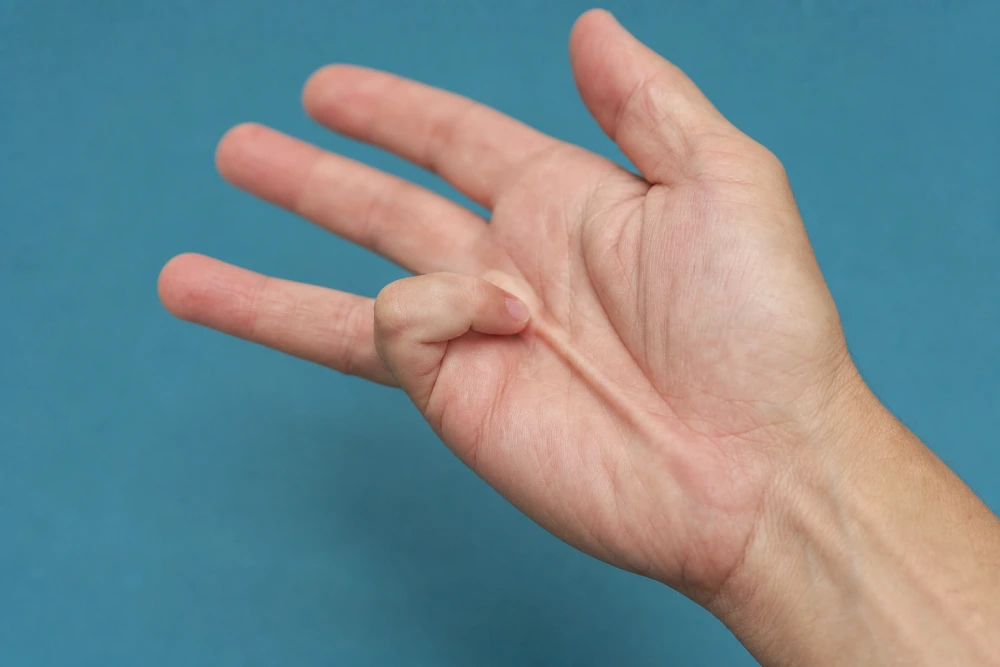
Contracture refers to a tightening of skin, tendon or connective tissue that limits a joint’s ability to move fully, most often affecting the fingers. The most common cause is Dupuytren’s contracture, where thickened tissue in the palm gradually pulls a finger inward, though contracture can also follow injury, scarring, infection or prolonged joint immobility. Ms Anna Moon assesses the underlying cause and the degree of movement affected to guide treatment.
What is the Treatments
- Clinical assessment of the affected tissue and joints
- Hand therapy and stretching where appropriate
- Needle-based release for Dupuytren's-related contracture
- Surgical release or excision for more established contracture
- Splinting to support movement after treatment
The Procedure
Treatment depends on the underlying cause and severity of the contracture. Where due to Dupuytren’s disease, options range from a needle-based procedure to surgical removal of affected tissue. Contracture from other causes, such as scarring or previous injury, may be addressed through therapy, splinting, or surgical release depending on the tissue involved.
Recovery & Aftercare
Recovery varies depending on the cause and treatment approach, with hand therapy often playing an important role in maintaining and improving movement after treatment. Ms Anna Moon provides tailored aftercare guidance and monitors progress through follow-up review.
Frequently Asked Questions
What is the most common cause of finger contracture?
Dupuytren’s contracture is the most common cause, caused by thickened tissue in the palm gradually pulling a finger towards the palm.
Can contracture be treated without surgery?
Depending on the cause, options such as hand therapy, splinting or a needle-based procedure may help, though established contracture often benefits from surgical treatment.
Does contracture come back after treatment?
Recurrence is possible, particularly with Dupuytren’s-related contracture, and the likelihood varies depending on the treatment method and individual factors.
Is contracture always related to Dupuytren's disease?
No, contracture can also result from injury, scarring, infection, or prolonged immobility of a joint, so assessment helps identify the specific cause.